
The All Life Institute is a global think tank based in Washington D.C. that is uniquely dedicated to protecting and enhancing all life on this planet including humans, nonhumans and the Earth.
Latest from the Institute

Webinar
Video
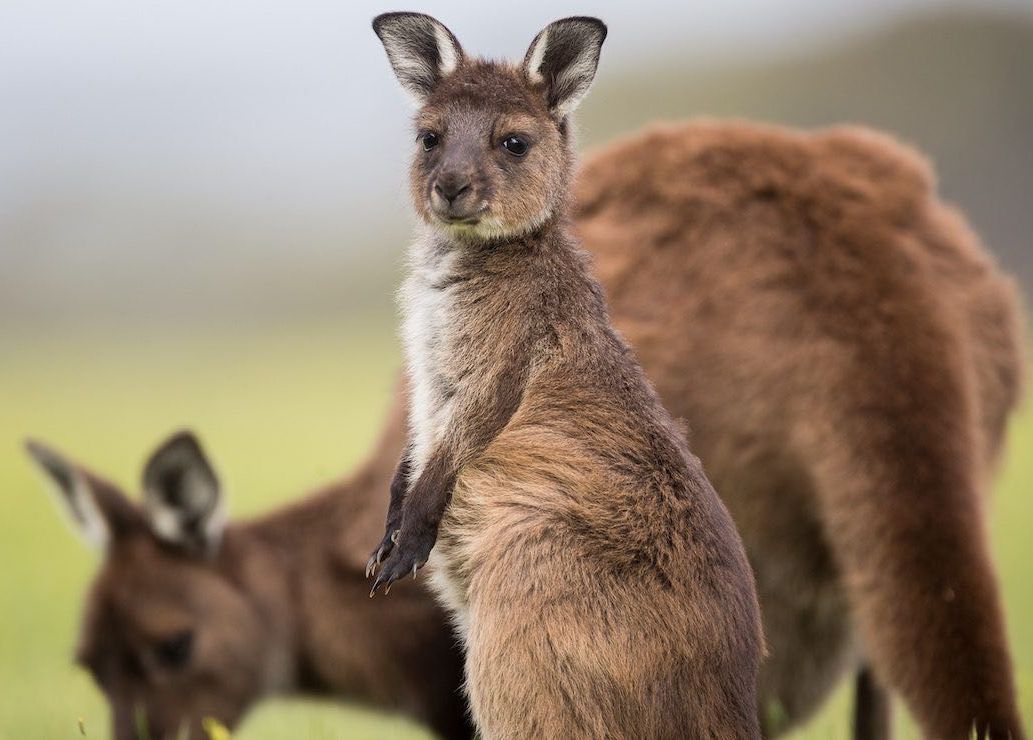
Kangaroo Meat Exposed: Food Safety, Pet Health, and the Hidden Cost of Australia’s Wildlife Trade
Kangaroo Meat Exposed: Food Safety, Pet Health, and the Hidden Cost of Australia’s Wildlife Trade

Press Release
Oct 22, 2026
21 Wildlife Scientists and Other Specialists Warn Amendment 83 Could Threaten Colorado’s Longstanding Ban on Bear Baiting.
21 Wildlife Scientists and Other Specialists Warn Amendment 83 Could Threaten Colorado’s Longstanding Ban on Bear Baiting.

Press Release
Oct 13, 2026
Wildlife Biologists, Veterinarians, and Toxicologists Say Amendment 83 May Block Lead Ammo Reform.
Wildlife Biologists, Veterinarians, and Toxicologists Say Amendment 83 May Block Lead Ammo Reform.

Press Release
Oct 1, 2026
Legal scholars call Amendment 83 an attempt to hijack wildlife management.
Legal scholars call Amendment 83 an attempt to hijack wildlife management.

Book
September 2026
Wild Work: Adventures of Women Field Biologists.
Wild Work: Adventures of Women Field Biologists.

Podcast
Inspired and Enraged: Wayne Pacelle on the War on Wildlife.
Inspired and Enraged: Wayne Pacelle on the War on Wildlife.

Publication
Aug 20, 2026
Lead ammunition leaves hundreds of kilograms of toxic lead in the environment each year.
Lead ammunition leaves hundreds of kilograms of toxic lead in the environment each year.

Watch
Senator Cory Booker stands up for America’s wolves.
Senator Cory Booker stands up for America’s wolves.

Report
January 2026
Institute scholars rebut the case for federal preemption of state farm animal protection laws.
Institute scholars rebut the case for federal preemption of state farm animal protection laws.

Our mission
We connect scholars and scholarship with practical campaign work to advance the protection and flourishing of animals, nature, and humanity.

From The November Newsletter
A decisive victory against a well-funded effort to rewrite Colorado’s constitution and weaken decades of wildlife protections.
recent newsletter articles
Featured Scholarship

Scholar Blog
How decades of research traced lead poisoning in Laysan albatross and California condors to its sources, and helped change policy.
Read the blog
Scholar Blog
How decades of research traced lead poisoning in Laysan albatross and California condors to its sources, and helped change policy.
Read the blog

Scholar Blog
An economist’s perspective on how Proposition 12 reshapes animal welfare, food prices, and power in the pork industry.
Read the blog
Scholar Blog
An economist’s perspective on how Proposition 12 reshapes animal welfare, food prices, and power in the pork industry.
Read the blog
Scholar Letter
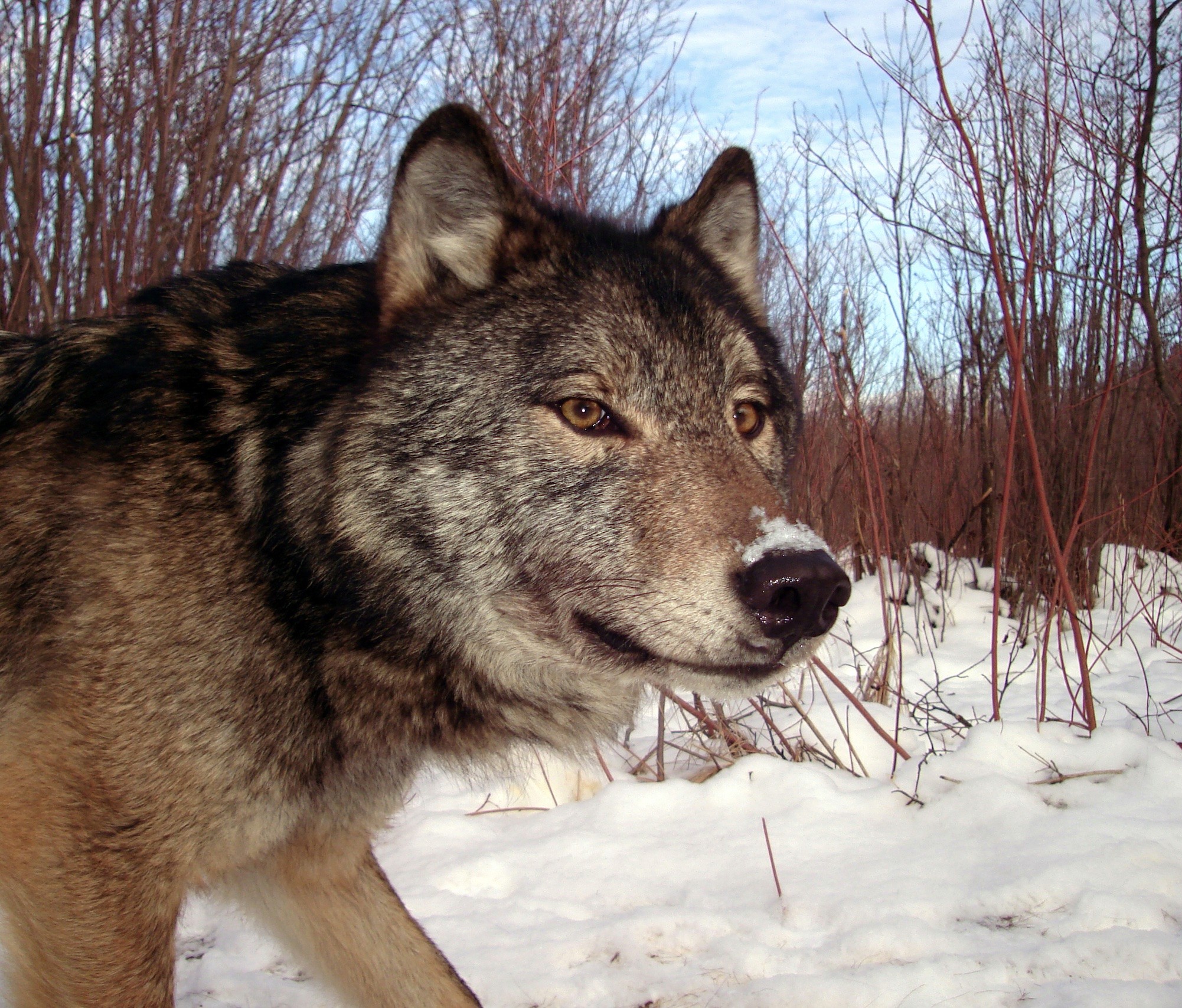
Rolf Peterson, Ph.D., responds to proposed legislation requiring wolf hunting and trapping in Michigan.
Read the letter
Scholar Letter
Rolf Peterson, Ph.D., responds to proposed legislation requiring wolf hunting and trapping in Michigan.
Read the letter

Q&A
Dr. Aisha Dickerson discusses translating environmental health research into legislative testimony.
Read the Q&A
Q&A
Dr. Aisha Dickerson discusses translating environmental health research into legislative testimony.
Read the Q&A
Affiliated Scholars
Full directory




Video Series: Scholar Luminaries
All videos
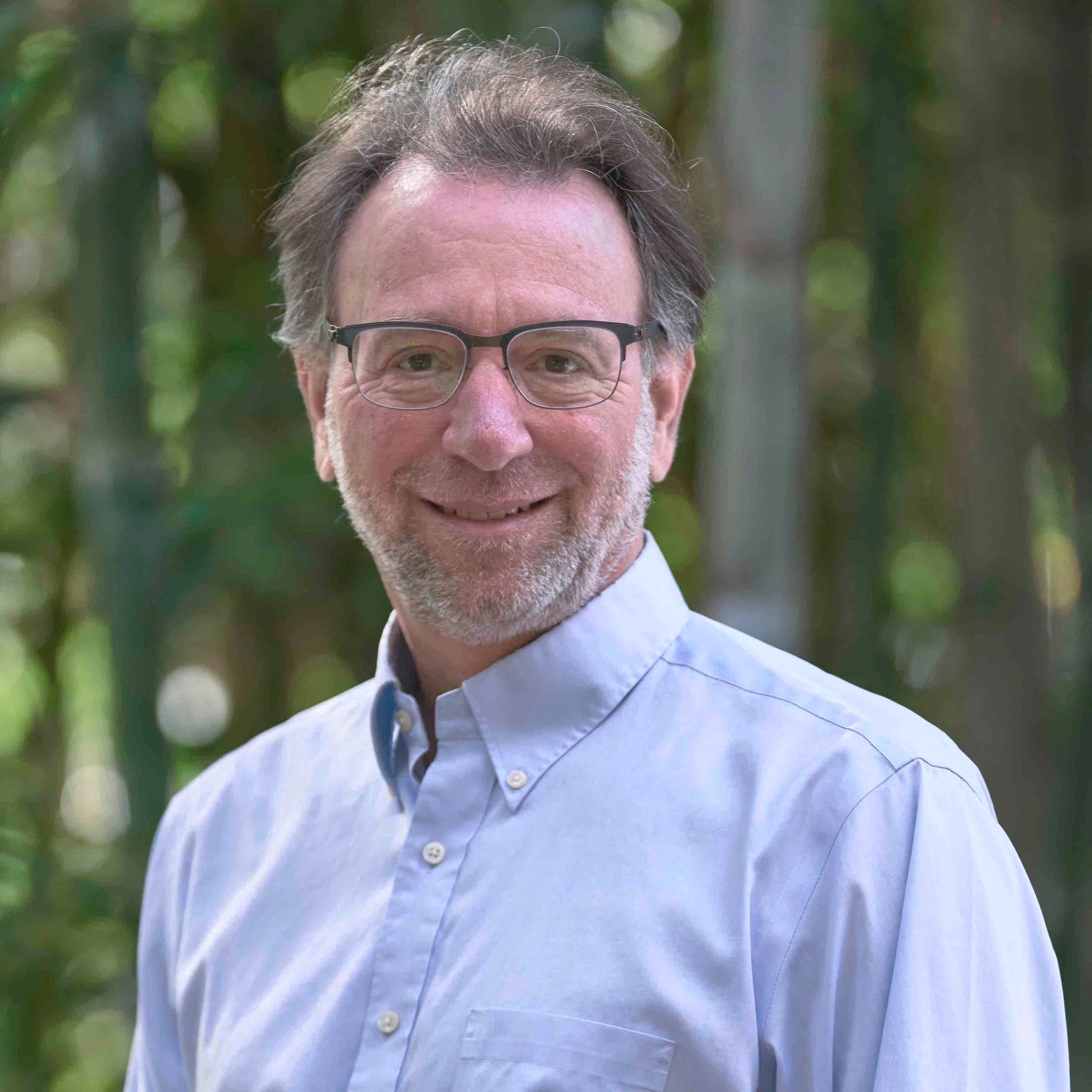
Dr. Adrian Treves: Conversations with Scholars
Dr. Adrian Treves is a Professor of Environmental Studies at the University of Wisconsin–Madison’s Nelson Institute for Environmental Studies and founder and director of the Carnivore Coexistence Lab. His research combines ecology, ethics, law, and public policy to explore how humans can coexist with large carnivores. In this conversation, he discusses the ecological benefits of wolves and other predators, why killing carnivores often fails to protect livestock, and how nonlethal methods can reduce conflicts between humans and wildlife. He also examines the limitations of traditional wildlife management, the importance of recognizing individual animals’ moral worth, and the role of science in shaping conservation policy. Despite political resistance to evidence-based approaches, he remains optimistic about a new generation of scientists embracing more ethical relationships with wildlife.
Dr. Galina Hale: Conversations with Scholars
Dr. Galina Hale is a Professor of Economics and Coastal Science and Policy and Director of the Institute for Social Transformation at the University of California, Santa Cruz. Before that she spent 14 years at the Federal Reserve Bank of San Francisco. Her research looks at climate finance and the sustainability of the global food system. In this conversation, she discusses how the financial sector could fund climate solutions, animal agriculture’s large share of food-system emissions, and why alternative proteins may be where solar was 20 years ago. She also covers animal welfare laws such as California’s Prop 12, and why she remains optimistic that what we eat can change again.
Dr. Aisha Dickerson: Conversations with Scholars
Dr. Aisha Dickerson is an environmental neuroepidemiologist and Associate Professor of Epidemiology at the Johns Hopkins Bloomberg School of Public Health, whose work explores how toxic metals, air pollution, and other environmental exposures affect the brain across the lifespan. In this conversation, she discusses lead ammunition and contaminated game meat, air pollution and climate change, environmental justice in “sacrifice zones,” public trust in science, and the shared hope for clean air, clean water, and healthy children.
Dr. David Wiebers: Conversations with Scholars
Dr. David Wiebers is a physician, scientist, and founder of the All Life Institute whose work explores the connections between human health, animal protection, and environmental sustainability. In this conversation, he discusses factory farming, climate change, plant-based food systems, pandemic risk, animal testing, and the importance of compassion for all life.
Dr. Thomas Pool: Conversations with Scholars
Dr. Thomas Pool is the Senior Veterinarian for Animal Wellness Action and the Center for Humane Economy, with a career spanning military veterinary medicine, public health, and animal welfare policy. In this conversation, he discusses intensive pig confinement and Proposition 12, cockfighting in Guam, the ecological role of large predators in chronic wasting disease, alternatives to animal testing, and the importance of stronger legal protections for animals.
Dr. Myra Finkelstein: Conversations with Scholars
Dr. Finkelstein is an adjunct professor in the Microbiology and Environmental Toxicology Department at the University of California, Santa Cruz with over 25 years of experience generating scientific evidence that results in tangible benefits to wildlife health.
Dr. Virginia Maxwell: Conversations with Scholars
Dr. Virginia Maxwell is a professor and interim dean at the University of New Haven whose work applies forensic science to the investigation of animal cruelty. A former trace evidence examiner with the Connecticut Forensic Science Laboratory, she focuses on improving crime scene investigation, evidence collection, and training in animal cruelty cases, as well as developing more objective ways to assess pain and stress in animals.
Dr. Adrian Treves: Conversations with Scholars
Dr. Adrian Treves is a Professor of Environmental Studies at the University of Wisconsin–Madison’s Nelson Institute for Environmental Studies and founder and director of the Carnivore Coexistence Lab. His research combines ecology, ethics, law, and public policy to explore how humans can coexist with large carnivores. In this conversation, he discusses the ecological benefits of wolves and other predators, why killing carnivores often fails to protect livestock, and how nonlethal methods can reduce conflicts between humans and wildlife. He also examines the limitations of traditional wildlife management, the importance of recognizing individual animals’ moral worth, and the role of science in shaping conservation policy. Despite political resistance to evidence-based approaches, he remains optimistic about a new generation of scientists embracing more ethical relationships with wildlife.
Dr. Galina Hale: Conversations with Scholars
Dr. Galina Hale is a Professor of Economics and Coastal Science and Policy and Director of the Institute for Social Transformation at the University of California, Santa Cruz. Before that she spent 14 years at the Federal Reserve Bank of San Francisco. Her research looks at climate finance and the sustainability of the global food system. In this conversation, she discusses how the financial sector could fund climate solutions, animal agriculture’s large share of food-system emissions, and why alternative proteins may be where solar was 20 years ago. She also covers animal welfare laws such as California’s Prop 12, and why she remains optimistic that what we eat can change again.
Dr. Aisha Dickerson: Conversations with Scholars
Dr. Aisha Dickerson is an environmental neuroepidemiologist and Associate Professor of Epidemiology at the Johns Hopkins Bloomberg School of Public Health, whose work explores how toxic metals, air pollution, and other environmental exposures affect the brain across the lifespan. In this conversation, she discusses lead ammunition and contaminated game meat, air pollution and climate change, environmental justice in “sacrifice zones,” public trust in science, and the shared hope for clean air, clean water, and healthy children.
Dr. David Wiebers: Conversations with Scholars
Dr. David Wiebers is a physician, scientist, and founder of the All Life Institute whose work explores the connections between human health, animal protection, and environmental sustainability. In this conversation, he discusses factory farming, climate change, plant-based food systems, pandemic risk, animal testing, and the importance of compassion for all life.
Dr. Thomas Pool: Conversations with Scholars
Dr. Thomas Pool is the Senior Veterinarian for Animal Wellness Action and the Center for Humane Economy, with a career spanning military veterinary medicine, public health, and animal welfare policy. In this conversation, he discusses intensive pig confinement and Proposition 12, cockfighting in Guam, the ecological role of large predators in chronic wasting disease, alternatives to animal testing, and the importance of stronger legal protections for animals.
Dr. Myra Finkelstein: Conversations with Scholars
Dr. Finkelstein is an adjunct professor in the Microbiology and Environmental Toxicology Department at the University of California, Santa Cruz with over 25 years of experience generating scientific evidence that results in tangible benefits to wildlife health.


In affiliation with

Newsletter
Scholarship in your inbox
Receive our newsletter direct to your inbox.
Newsletter
Scholarship in your inbox
Receive our newsletter direct to your inbox.
Newsletter
Scholarship in your inbox
Receive our newsletter direct to your inbox.