

Article
Virtually every major social movement that has achieved meaningful change in recent decades has had a think tank for incubating ideas, research, and writing to anchor and accelerate reform efforts.
Sep 2026


Newsletter · September – October 2026
Article
Virtually every major social movement that has achieved meaningful change in recent decades has had a think tank for incubating ideas, research, and writing to anchor and accelerate reform efforts.
Sep 2026

Article
Welcome to the inaugural issue of The All Life Forum: Bringing Scholarship to Life. The All Life Institute exists to harness the insights of scholars to drive changes to improve the lives of animals and the protection of nature.
Sep 2026
Article
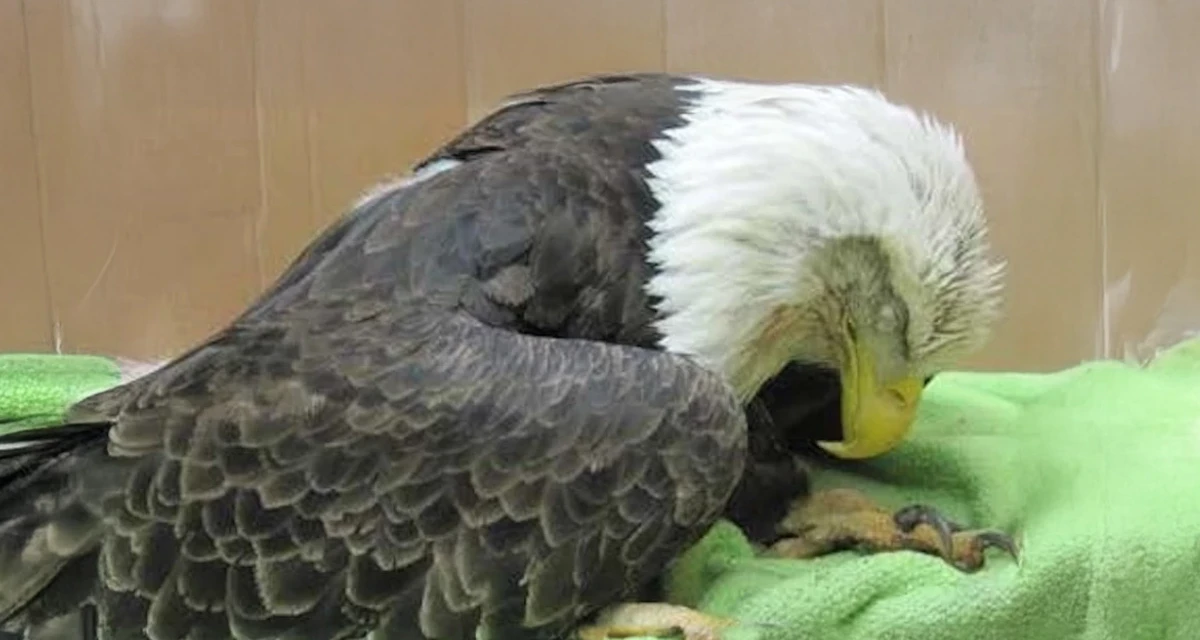
The adverse impacts of lead dispersal by sport hunters on wildlife and human health are documented and conclusive.
Sep 2026

Article
Network scholars have been rebutting the passage of the Save Our Bacon Act embedded in the 2026 Farm bill, which would prevent states from enacting animal protection laws that allow basic freedom of movement for farm animals in confinement.
Sep 2026

Article
Scholars are actively writing letters to the chairs of the House and Senate Judiciary committees in support of the passage of the Animal Cruelty Enforcement (ACE) Act, H.R. 1477, which would empower robust enforcement of federal anti-cruelty laws.
Sep 2026
Article
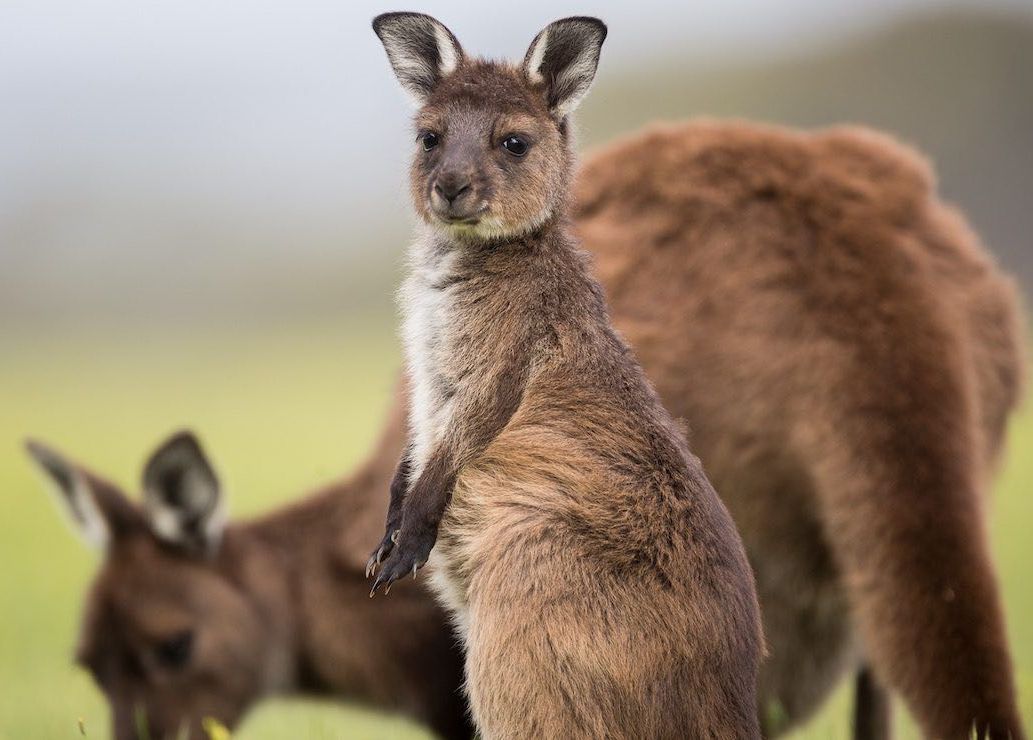
Scholars from our Network are engaged with our campaign to shutter the last of the commercial kangaroo killing industry.
Sep 2026

Article
Dr. Finkelstein is an adjunct professor in the Microbiology and Environmental Toxicology Department at the University of California, Santa Cruz with over 25 years of experience generating scientific evidence that results in tangible benefits to wildlife health.
Sep 2026

Article
Amendment 83, which is on the November ballot, is a proposed amendment to the Colorado Constitution concerning hunting and trapping.
Oct 2026
