
Scholar Letter
Time to hate wolves – again?
Rolf Peterson, Ph.D.
·
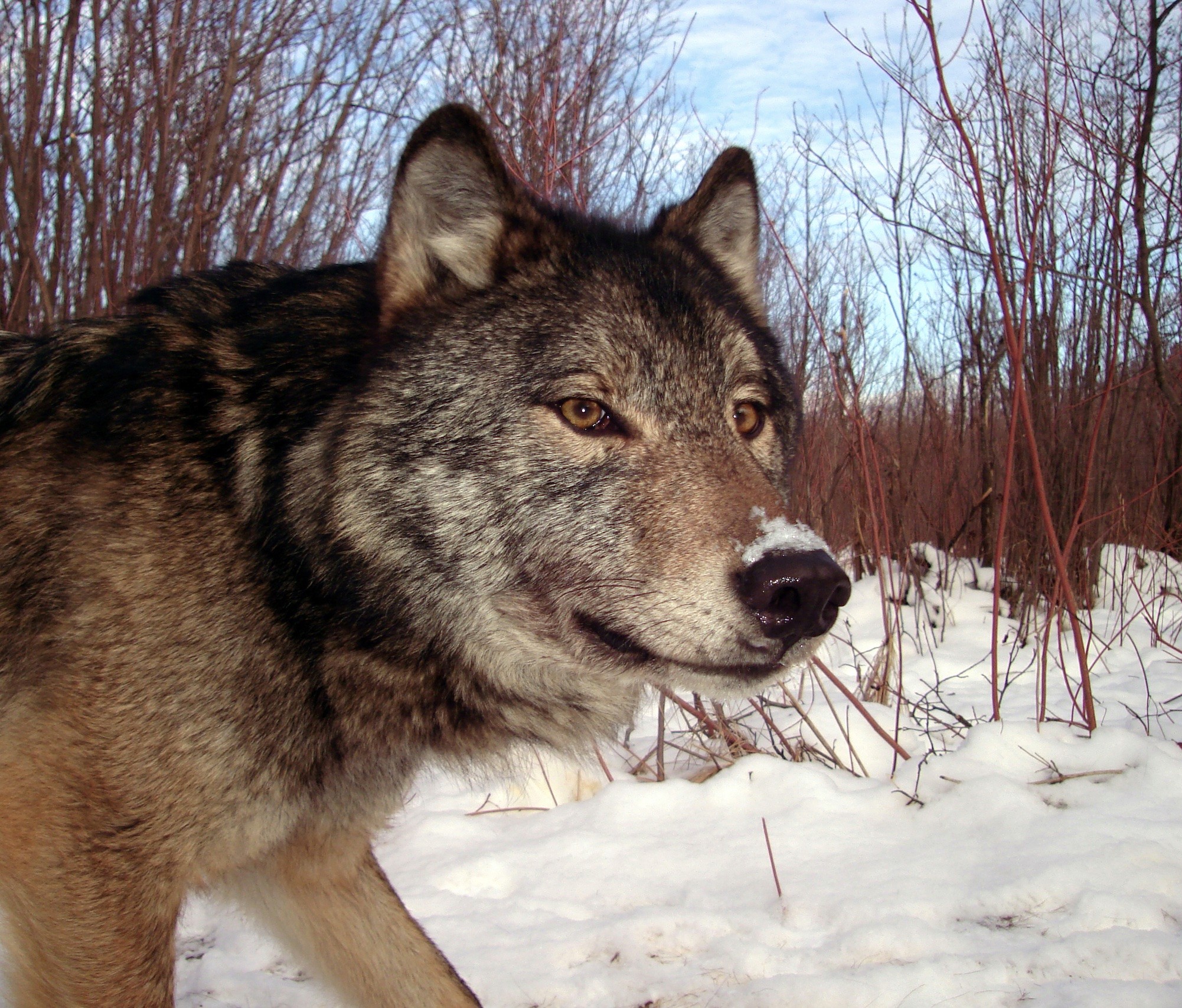
Image credit: Dr. Rolf Peterson
In the September 21 Daily Mining Gazette I read of legislation proposed in the State House to require hunting and trapping of gray wolves in Michigan if and when the species is removed from the federal list of endangered species. This is not the first time, and probably not the last, for such a proposal. What is new, of course, is that voters go to the polls in another month and will see the names of the sponsor and co-sponsor, respectively, of the proposed bill – state Representatives Dave Prestin, R-Cedar River, and Greg Markkanen, R-Hancock. Prestin’s news release implies that an “exploding” wolf population in the Upper Peninsula (U.P.) is threatening the economy by decimating the deer and moose populations. Nothing could be further from the truth. There has been virtually no change in wolf and moose numbers in mainland U.P. for at least a decade, and deer fluctuate mostly with winter severity. Fear-mongering about wolves has often played well for U.P. politicians who prefer political theater over reality as a campaign tactic.
Might it even be beneficial to have wolves on the landscape? Car-deer accidents have been shown to decline in Wisconsin counties with wolves [1], which saves human lives. There is increasing evidence that wolves and other large carnivores provide a firewall against the spread of chronic wasting disease (CWD) in deer [2], considered the “greatest threat to hunting in North America” [3]. CWD is spreading in deer in lower Michigan but virtually absent in the U.P. [4, 5]. Wolves (and deep snow) may actually help the state’s small moose population in the Michigamme Highlands by decreasing deer density in late winter, thereby protecting moose from the fatal effects of a brainworm that is carried by most deer in the U.P. Brainworm is a risk to moose survival identified over 50 years ago [6].
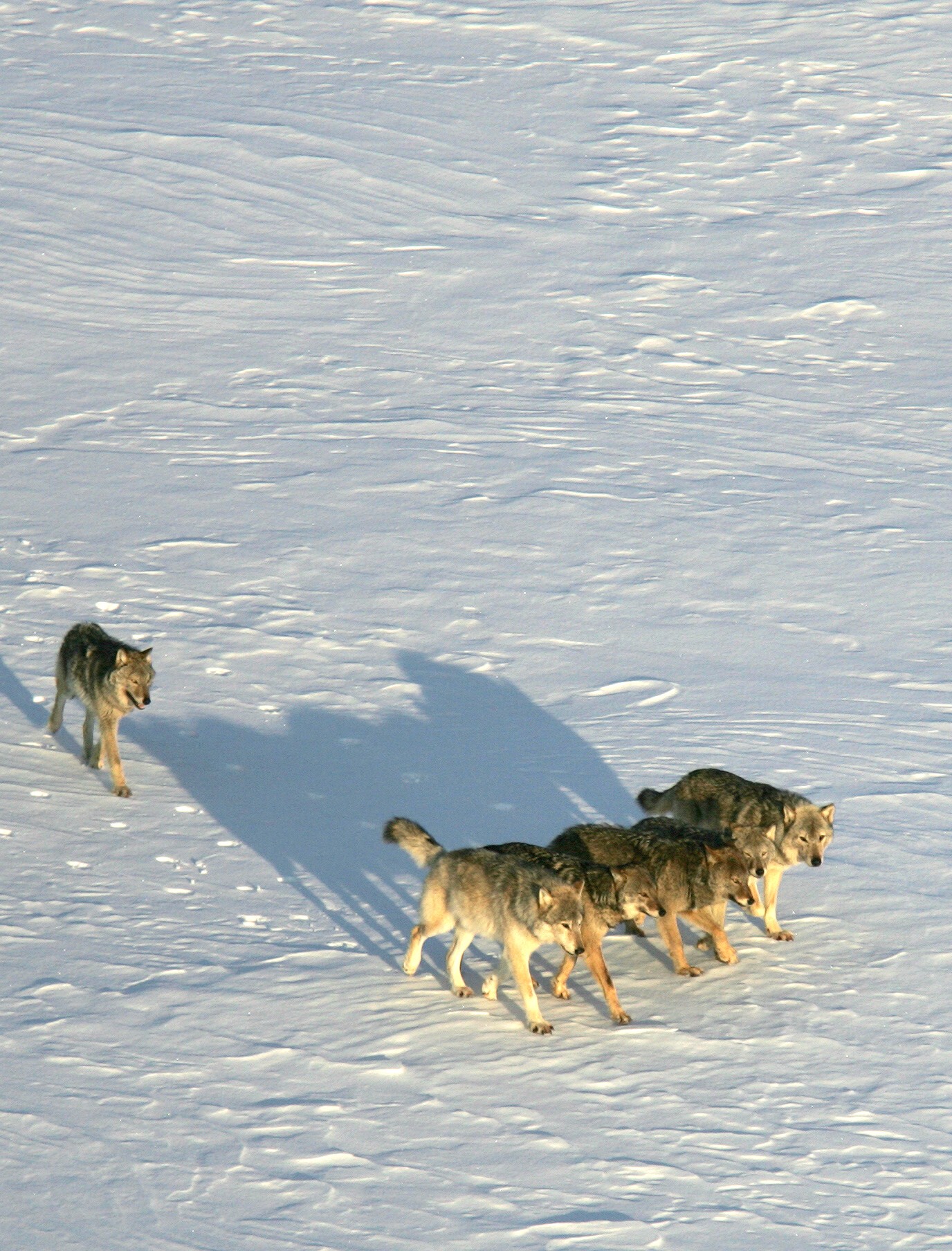
Image credit: Dr. Rolf Peterson
Residents of Michigan can be proud to have wolves back in the state after they were driven to virtual extinction in the 1950s. In public referenda over the past decade in Michigan, citizens have voted twice against a wolf hunt. Wolf recovery in the U.P. in the past 35 years should be a cause for celebration, not an excuse for hatred.
(published in the Daily Morning Gazette, Oct. 7, 2026)

About the Author
Rolf Peterson, Ph.D.
Rolf Peterson has been studying wolves and their prey for over a half-century, especially in Isle Royale National Park where protected populations of wolves and moose interact. His Ph.D. from Purdue University involved his initial work in this area, and he has used similar approaches for wolf-related studies in Alaska and Yellowstone National Park. At Michigan Technological University he has been on the faculty in Biological Sciences as well as in the School of Forest Resources and Environmental Science . Since retiring from his regular faculty position, he has continued doing predator-prey research as a Research Professor in CFRES. He has over 150 peer-reviewed publications from his research. He was a founding member of the Wolf-Moose Foundation, dedicated to improving the future for predators and ensuring the future for the Wolf-Moose Project at Isle Royale. He has two grown sons and together with his wife Carolyn, he lives in Houghton, Michigan.